
Learning outside, together: how we prepared for OUTPLAY piloting in Ljubljana
August 2026
As coordinator of the international project Outdoor Play Labs (OUTPLAY), we spent three days in Ljubljana in July 2026 together with our partners from six organisations. The occasion was the Training of Trainers, led by the Dutch organisation International Child Development Initiatives (ICDI) and hosted by the Slovenian Educational Research Institute (Pedagoški inštitut). Two future trainers came from each country where the project will be piloted. Their task is to pass the OUTPLAY approach on to kindergarten and primary school teachers back home.

Why learning outdoors
OUTPLAY is built on the belief that many of the most valuable and meaningful learning experiences happen outdoors. Time outdoors helps children regulate their emotions and supports their wellbeing. At the same time, from an early age they build a connection with nature that lays the foundation for lifelong respect and care for the environment. The project therefore brings together STEM education (science, technology, engineering and mathematics), social and emotional learning (SEL) and outdoor play, creating meaningful learning opportunities for children aged 3 to 10.
A toolkit we tried out first-hand
For kindergarten and primary school educators, ICDI developed the OUTPLAY Toolkit. It first guides educators through the OUTPLAY approach and its pedagogical foundations. It then introduces seven thematic projects in which children gradually discover the world around them. First they explore what is literally under their feet, then the wider surroundings, and finally our whole planet. Educators can use:
- 42 outdoor learning activities,
- reflection and assessment tools that help record what children have learned,
- the Outdoor Learning Lab (OLL) Kit with a do-it-yourself guide for putting together their own portable kit of outdoor learning materials.
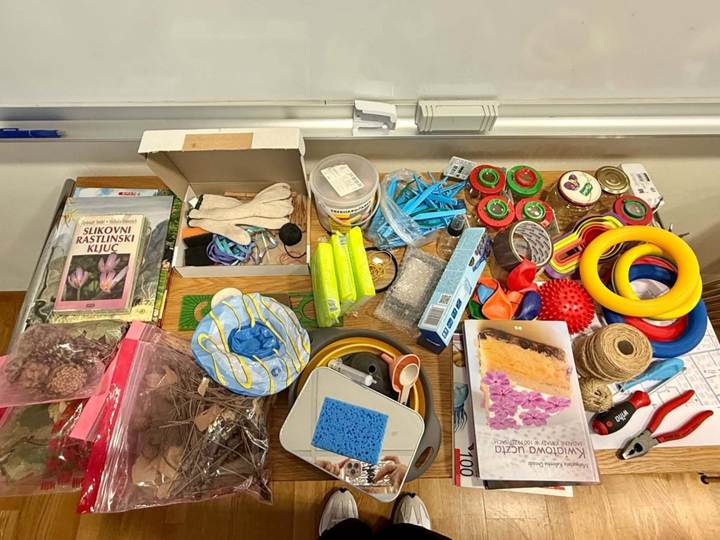
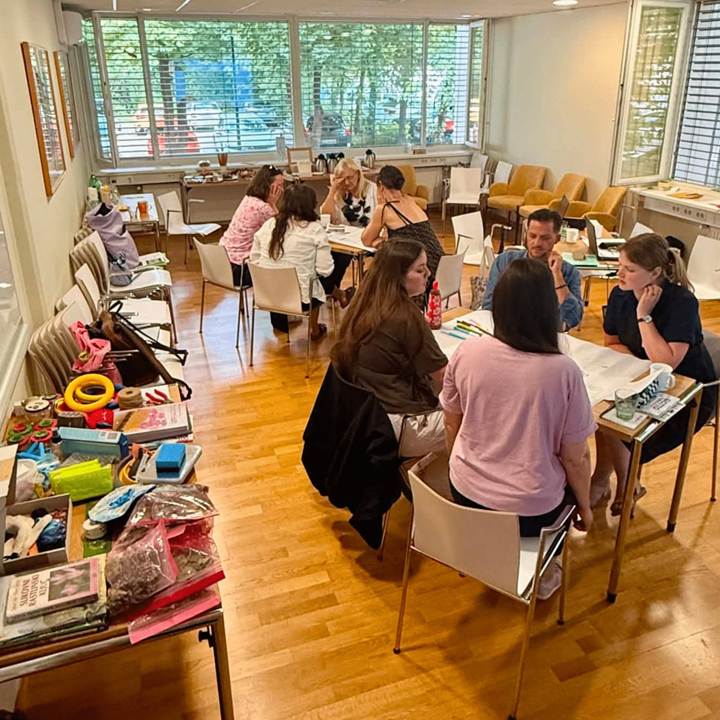
In Ljubljana, we went through the whole toolkit step by step together with our partners. We tried out the activities ourselves, shared our experiences and gave the authors feedback before piloting. We also looked for an answer to the question of what future trainers need to feel confident when introducing the project. Together, we identified the three things that will help them most:
- a deeper understanding of the theory behind the activities,
- more hands-on experience with the materials,
- preparation for responding to doubts from parents and schools about the value of outdoor play.
We explored these in depth through practical activities and discussions. We left feeling confident that both the toolkit and the ideas behind it make sense to us.
First, we have to believe in it ourselves
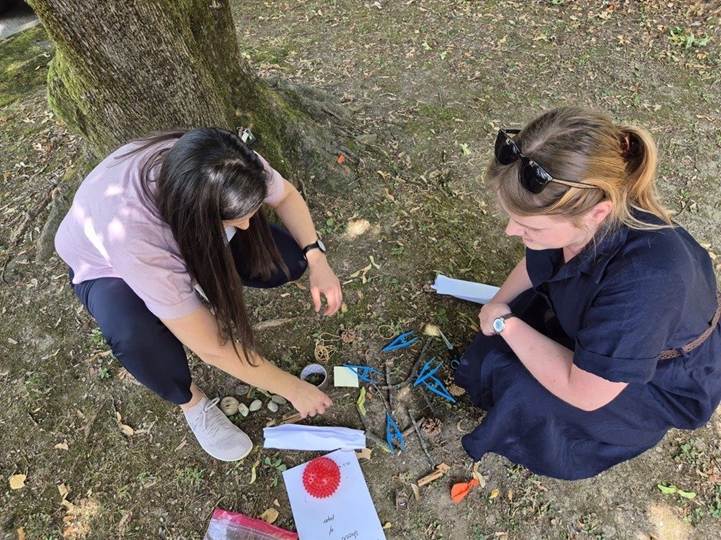
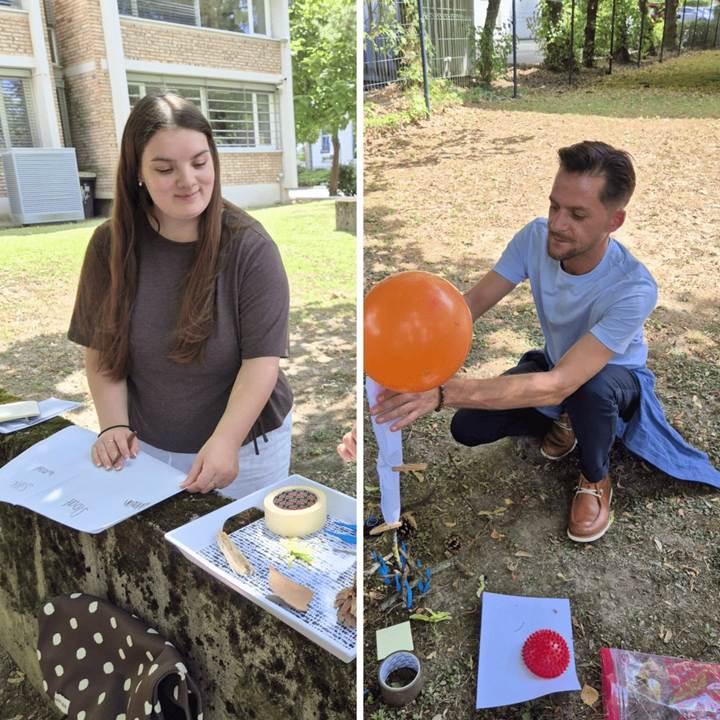
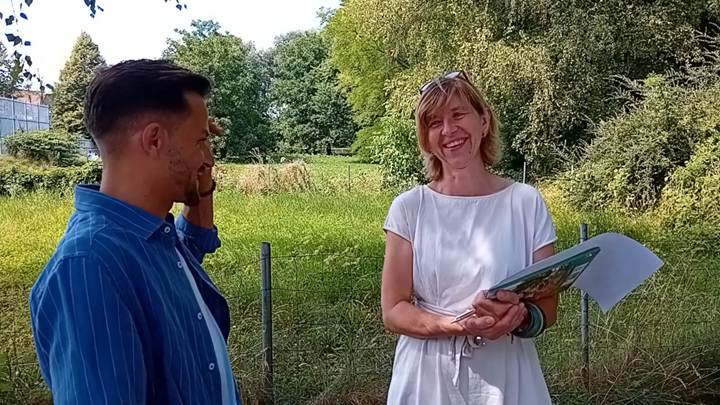
A project about outdoor play would not be complete if we did not spend time outdoors ourselves. Many of the sessions took place in the green surroundings of the institute, and we also found time for a walk through Tivoli Park. Between trying out activities and talking in the fresh air, we were reminded of how magical it can be to be outdoors. If we want children to enjoy being outdoors, we first have to believe in its value ourselves.
From the training to a finished toolkit
We incorporated the feedback from Ljubljana into the toolkit over the summer. ICDI revised in particular some of the activities and the sections on safety and manageable risk, and the final English version was completed in August 2026.
We look forward to seeing OUTPLAY activities come to life in classrooms and school grounds in Slovakia, Croatia, Slovenia and Poland. And we do not forget that if we want children to discover the joy of learning outdoors, we must never stop experiencing it ourselves.
OUTPLAY is implemented by an international consortium of organisations working in early childhood education, research and community work. It is coordinated by Škola dokorán – Wide Open School, n. o. The partners are International Child Development Initiatives (the Netherlands), Fundacja Pro-Fil (Poland), Pučko otvoreno učilište “Korak po korak” (Croatia), Pedagoški inštitut (Slovenia) and the International Step by Step Association (the Netherlands).
Funded by the European Union. Views and opinions expressed are however those of the author(s) only and do not necessarily reflect those of the European Union or the Slovak Academic Association for International Cooperation (SAAIC). Neither the European Union nor the granting authority can be held responsible for them.
 EN
 SK